

Hy-Pro-Filtration-Case-Studies-Banner-Image

Donaldson Hy-Pro

Case Studies and Product Reviews


Automotive

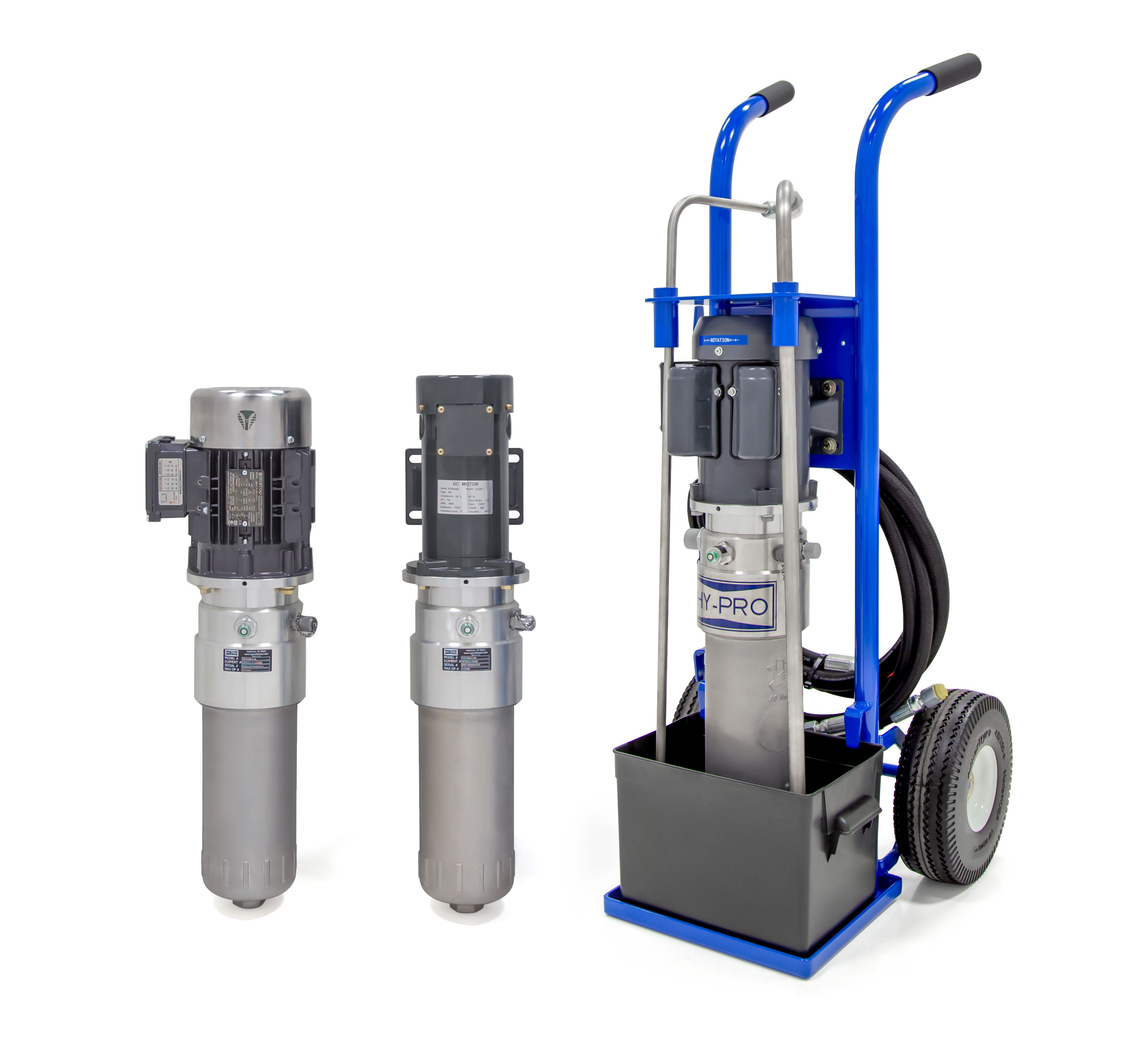
  • Automotive Manufacturing Stamping - FCL10 off-line filter cart and DFE Rated G8 Dualglass Filter Element Upgrades


    shutterstock_385603582


    A major automotive stamping plant was struggling with costly surface finish defects traced back to contaminated lubricating oil in its uncoiler/washer system. Despite having an off-line filtration system in place, oil analysis revealed high ISO cleanliness levels—and, more critically, cellulose fibers shedding directly from the existing depth-type filter inserts. These contaminants were transferring to stamped panels, resulting in visible paint defects and significant scrap costs.

    This case study details how the facility partnered with Donaldson Hy-Pro to perform a complete system clean-out, dramatically lower ISO codes, and eliminate fiber shedding altogether. By purifying the oil with high-efficiency 6M media, replacing cellulose inserts with HP2727L43-6MB pleated glass elements, and restoring the cleaned fluid to the system, the plant achieved a stable ISO code of 17/13/9 within 17 days—and produced zero defective parts. The transition not only eliminated finish defects but also extended filter life, preserved oil quality, and delivered substantial annual savings. The results were further validated when reintroducing the original filters caused ISO levels to spike again, confirming the root cause and the effectiveness of the solution.


  • Diesel Fuel Filtration Upgrades - DFE Filter Element Upgrades - FL and COD


    COT104636V-ABKLMRVZ-Q350014_20169059_041015_01


    Modern diesel engines are more powerful, efficient, and cleaner than ever—yet many operators still face premature wear, rising maintenance costs, and unexpected downtime. The culprit is often overlooked: fuel that falls far short of the cleanliness levels today’s high-pressure fuel injectors require. This case study explores how one operation tackled fuel contamination head-on by implementing a targeted ISO cleanliness goal of 16/14/12 and deploying a strategic, three-stage filtration approach across storage tanks, dispensers, and equipment.

    By filtering fuel to 1 micron before it ever reaches the engine—and retaining OEM filters as a final safeguard—the organization significantly extended injector life, reduced fuel dilution and filter replacements, and improved overall engine performance and efficiency. The results include measurable cost savings, lower emissions, and reduced waste-handling charges. This case study demonstrates how proactive fuel filtration not only protects advanced diesel systems but also unlocks the full potential of today’s engine technology.



  • FPL Saves Servo Valves - FPL Filter Panel & Spin-On Breather


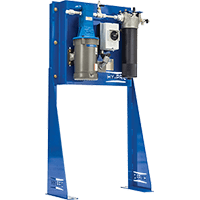
    FPL_Stand_200


    A leading tire manufacturer was facing excessive downtime and steep maintenance costs as inadequate filtration across 35 tire grinders led to chronic servo valve failures. With nearly 200 valve repairs or replacements in a single year—at an average cost of $2,200 each—the plant needed a proven, long-term solution. Oil analysis revealed the root of the issue: contamination levels far above the ISO cleanliness requirements for sensitive servo valves.

    This case study outlines how the manufacturer partnered with Donaldson Hy-Pro to implement a total system cleanliness strategy, beginning with the installation of a custom-engineered FPL off-line filtration panel and a high-efficiency breather to stop particulate ingression. Within days, the system’s ISO code dropped from 22/20/17 to an impressive 13/9/7, representing a 99.8% reduction in harmful particles. With similar upgrades rolled out to all 35 grinders, servo valve failures plummeted—from 198 per year to a projected six—while production efficiency increased by 2% thanks to consistently stable valve performance. This case demonstrates how targeted off-line filtration can dramatically cut maintenance costs, prevent unplanned downtime, and deliver measurable productivity gains.


Construction

  • Caterpillar Service Center 5-Star Solution - ISO Codes

    Screenshot 2024-10-30 at 12.26.23 PM

    Achieving and maintaining Caterpillar’s prestigious Five Star contamination control rating requires absolute confidence in fluid cleanliness—from bulk storage tanks all the way to the machine. This case study highlights how Michigan CAT transformed its service center’s contamination control program with a comprehensive, multilayered fluid filtration strategy designed to meet strict CAT cleanliness specifications for hydraulic, transmission, and engine oils.

    By installing dedicated in-shop and mobile filtration systems, mounting high-efficiency filters in series, and ensuring each fluid type received the correct combination of filtration passes, Michigan CAT was able to consistently deliver oil that met or exceeded target ISO codes. The solution included wall-mounted filtration for service bay dispensing, high-flow filter assemblies for bulk-to-truck transfers, on-board truck filters for field service, and Hy-Dry desiccant breathers to block moisture and airborne particulate. Patch testing, particle counting, and documented oil analysis verified ongoing compliance and provided clear traceability.

    Through systematic filtration, last-chance strainers, and disciplined cleanliness monitoring, the service center successfully maintained the cleanliness levels required for CAT’s Five Star rating—ensuring customers receive cleaner fluids, better equipment protection, and higher service quality across every operation.


  • Hitachi Excavator Hydraulic System - Filter Element Upgrade


    8314x3

    Mining environments are notoriously harsh on hydraulic systems, and the Hitachi EX2500 excavator in this case was no exception. Operating in a high-ingression environment, the machine suffered repeated premature component failures—including multiple piston pumps, swing motors, drive motors, servo valves, hydraulic hoses, and contamination sensors. Over its first 27 months, these failures led to more than 39 hours of unplanned downtime and substantial repair costs, severely impacting productivity.

    This case study examines how implementing a robust contamination control strategy transformed hydraulic system reliability in one of the toughest operating conditions. By targeting the root cause—particle contamination—the mine significantly reduced component wear, stabilized system performance, and drastically cut unscheduled downtime. The results highlight the critical importance of maintaining clean hydraulic fluid to protect high-value components, reduce maintenance expense, and ensure consistent, dependable excavation performance in the field.


  • Hydraulic Valve OEM System Upgrade Reduces Failures - DFE Rated Filter Elements


    319


    A major manufacturer of mobile hydraulic valves for heavy-lift equipment was facing recurring production disruptions caused by contamination-related failures across four assembly lines. To pinpoint the cause and validate a solution, the company conducted a four-month, head-to-head trial: one line was upgraded with Donaldson Hy-Pro filter elements, while another continued operating with the originally specified filters. With a target ISO cleanliness code of 17/15/13, the test provided a clear comparison of real-time fluid performance.

    The Donaldson Hy-Pro elements—engineered for high-efficiency particle removal—produced dramatic improvements in fluid cleanliness, delivering a 99.9% reduction in particles at 4µ[c], 6µ[c], and 14µ[c] and far surpassing the performance of the original filters. When paired with enhanced maintenance practices, the upgraded filtration system consistently exceeded target ISO codes and stabilized product quality.

    As a result, all four production lines were converted to Donaldson Hy-Pro elements, leading to significant reductions in downtime, higher productivity, and the near elimination of hydraulic leaks and equipment-related failures. This case demonstrates how improved filtration can directly enhance manufacturing reliability, efficiency, and end-product quality.


Energy

  • Coal Pulverizer Gearbox Filtration Upgrade - FSL Offline FIltration


    Oil beakers before after

    Coal-fired power plants rely on large coal pulverizer gearboxes that operate under heavy loads and harsh conditions—yet many run without dedicated filtration, leaving high-viscosity lubricants heavily contaminated long before scheduled oil changes. In this case study, routine analysis revealed that gearbox oil was far dirtier than acceptable for any lubrication system, contributing to accelerated wear, costly maintenance, and reduced equipment life.

    By implementing a comprehensive total system cleanliness approach—including continuous off-line filtration, targeted ISO cleanliness goals, high-efficiency breathers, and condition-based oil change practices—the plant transformed gearbox reliability. After installing an FSL side-loop filtration system and charging the gearboxes with fresh synthetic oil, contamination levels dropped dramatically in less than 24 hours. Particle counts fell by thousands per milliliter, ultimately achieving servo-quality cleanliness and continuing to improve over the following months.

    This case demonstrates how dedicated filtration and data-driven maintenance can significantly extend gearbox and fluid life, reduce disposal and labor costs, improve power consumption, and enhance overall plant reliability.


  • FSAPE Optimizes Peaking Power Plant -TMRN2 reservoir headspace dehydrator


    FSAPE05_Thumb

    Peaking power plants operate under strict time constraints—when the grid calls, they must start quickly and reliably. For one combined-cycle plant, repeated unit trips and fail-to-starts were being driven by electrohydraulic control (EHC) servo valve failures. Contamination in the phosphate ester fluid—including water, acids, particulate, gels, dissolved metals, and low resistivity—was threatening system reliability, forcing costly outages, and prompting the maintenance team to consider a complete fluid replacement.

    This case study describes how implementing a comprehensive Total System Cleanliness strategy reversed the trend. By installing an FSAPE2 off-line acid remediation and particulate filtration skid, adding a TMRN2 headspace dehydrator, upgrading the discharge filter to high-efficiency microglass, and protecting the reservoir with a desiccant breather, the plant addressed every major contamination source at once.

    Within four months, fluid quality returned to specification, resistivity stabilized, and gel formation was eliminated—removing the root cause of the servo valve issues. As a result, the plant stopped experiencing trips and fail-to-starts and avoided the expense of replacing its phosphate ester fluid. This transformation demonstrates how targeted contamination control can drastically extend fluid life, restore reliability, and protect profitability in high-risk peaking power applications.


  • SVR Saves Coal-Fired Power Plant


    SVR1200CT_Blue_40_3


    During a scheduled shutdown at a coal-fired power plant in the Philippines, turbine lube oil—Shell Turbo 32—was found to have rapidly degraded, with MPC values soaring to 250 and ISO cleanliness at 20/17/10. The oil was deemed unusable, and the plant urgently attempted to source 60,000 liters of replacement fluid. When the supplier could not deliver within the shutdown window, the plant faced the risk of extended downtime, missed restart deadlines, and severe operational and financial consequences.

    This case study details how the plant avoided unnecessary costs and outages by deploying a rapid-response contamination control strategy. Working with a Donaldson Hy-Pro distributor and representative, the team installed two SVR1200 Soluble Varnish Removal units equipped with ICB technology, supported by continuous sampling and ready-to-swap filter sets to ensure uninterrupted cleanup.

    Within the scheduled shutdown period, the SVR systems reduced MPC and ISO values enough to safely restart the turbine—and continued restoring the fluid over the following months. After six months of continuous filtration, the oil reached better-than-new condition, with MPC reduced from 250 to 6.54 and ISO codes improved from 20/17/10 to 13/12/11. Instead of spending $200,000 on new oil, the plant resolved the issue for under $40,000, saving more than $160,000 while achieving superior fluid cleanliness.


  • Wind Turbine DFE Filter Element Upgrade


    Elements


    Wind turbine gearboxes operate under demanding conditions, relying on clean, reliable lubrication to protect complex, high-value gearing systems that are difficult and costly to access. In this wind farm, elevated fluid contamination levels were putting gearbox components at risk and increasing the potential for unplanned downtime—an outcome that not only drives up maintenance costs but also undermines energy reliability metrics critical for community and government confidence. With long service intervals and challenging accessibility, maintaining optimal oil cleanliness is essential to preserving gearbox life and keeping turbines producing power consistently.
    To resolve the issue, the operator upgraded to high-efficiency Donaldson Hy-Pro filter elements and improved breather technology designed to capture airborne particulate more effectively. After upgrading 55 turbines, the wind farm achieved substantially cleaner gearbox oil and extended component life, reducing maintenance risk and improving operational efficiency. With critical components located hundreds of feet in the air, the enhanced cleanliness control provided both measurable reliability benefits and valuable peace of mind for maintenance teams, ensuring that fewer interventions—and safer, more productive turbine performance—could be maintained over the long term.


Manufacturing

  • Aluminum Refinery Gearbox OIl - DFE G8 Dualglass Filter Elements and Vacuum Dehydration


    Yarwun6-935565-edited


    The Problem

    An Australian aluminum refinery was consistently performing premature gearbox lube oil changes on 7 base drive units due to oil and particulate contamination. With an average operating ISO code of 20/18/16 and average water levels of 4742ppm, the 360 liters / 90 gallons of ISO VG320 gear oil was being changed far too often. Cost per gearbox oil change (excluding crane, lost production, labor) is $17,962.60 which adds up to $125,738.20 for all 7 units.

    The Solution

    Conditioning gearbox lube oil is a huge opportunity for savings. By removing dirt and water the lube oil can be used until another characteristic of the oil fails (ie viscosity or additive) which can result in exponentially longer fluid life and prevent gearbox failure. To remove the particulate and water from the oil a Hy-Pro V5 vacuum dehydrator was selected to remove all phases of water (free, dissolved, emulsified) and remove particulate with an oversized 3M (β5[c] > 1000) filter element. The V5 was rotated between the 7 top drives on a 2-day service interval rapidly purifying the oil by turning the sump volume 75 times daily.

    The Results

    On each unit, water was rapidly reduced an average of 98% from 4742ppm to 96ppm. Particulate contamination size 4μ[c] and larger decreased by 95% as average ISO code decreased from 20/18/16 to 15/13/8. The refinery increased reliability and profitability while reducing the environmental impact of premature oil disposal. Oil life has been extended reducing the need for oil changes. Gearbox life should also triple under these conditions leading to even more substantial savings.

    What HY-PRO provided:

    • DFE Rated G8 Dualglass Filter Elements
    • Vacuum Dehydration


  • Hydraulic Pump Reliability - Improved with a Dualglass Filter Element Upgrade


    Hydraulic-Pump


    Recently, a hydraulic valve manufacturer was losing 25 pumps a year on their centralized hydraulic system at a cost of $2,440 each. That’s only the pump cost, when you account for maintenance resources, lost oil and lost production each failure costs ~$25,320.

    System analysis showed that fluid contamination was out of control with an ISO Fluid Cleanliness Code of 22/21/19. That translates to a minimum of;

    20,000 particles per ml >[c]
    10,000 particles per ml >[c]
    2,500 particles per ml > 14µ[c]

    The manufacturer set an ISO code limit of 17/15/13 and turned to Hy-Pro for help achieving their goal. While surveying their system, we noticed and addressed three factors contributing to their problems.

    1. The hydraulic tanks were open to the environment. This allows the dirt and dust in the environment to find its way into the fluid. These tanks were sealed to prevent further contamination ingression from the environment.
    2. The tanks lacked breathers. Hydraulic tanks should be sealed from the environment but there must be a way to allow air exchange to occur between the tank and environment as fluid enters and evacuates the tank. Breathers were added to the tanks to allow this exchange to occur in a controlled manner by removing contamination from the air entering the reservoir before it reaches the fluid.
    3. A Brand-X 12µ filter element installed in the offline filtration system was upgraded to a 6µ Hy-Pro DFE Rated G8 Dualglass element as more efficient filtration would be necessary to drop the ISO code below the 17/15/13 limit.

    Fluid analysis samples were taken over the following 140 days to verify the condition of the fluid. The final sample returned an ISO Fluid Cleanliness Code of 12/11/7. That translates to a maximum of;

    40 particles per ml >[c]
    20 particles per ml >[c]
    1 particle per ml > 14µ[c]

    Pump failures related to fluid contamination (~$633,000 annually) were eliminated through the 99.8% reduction of particulate contamination within the fluid.


    What HY-PRO provided:

    • Hydraulic Pump Reliability


  • Valve Performance - Testing and Clean Oil - Improvement Through Fluid Handling and Sampling Practices


    Hydraulic_Valve-576161-edited

    The Application

    A hydraulic valve manufacturer required pristine fluid (< 14/12/9) to test flow across an 80 micron orifice on their test stand. Gross amounts of contamination in the fluid would skew the test results, invalidating any data collected. The system held 100 l (26.4 gal) of ISO VG 32 fluid with a flow rate of 25 lpm (6.6 gpm).

    The Problem

    Through observing the manufacturer’s sampling practices, discussing fluid handling best practices and interpreting their lab reports; 3 independent problems were identified:

    1. Insufficient Filtration – The current 12μ filter had allowed the ISO code to elevate to 19/18/16 (4388 / 2413 / 610).

    2. New Oil ≠ Clean Oil – New oil was believed to be clean oil and it was not being conditioned when added to their system. New oil is not clean oil, in our experience, it usually has an ISO code around 25/22/19 (304,800 / 381,000 / 4763).

    3. Bottle Sampling Practices – Observing the manufacturer’s sample collection procedures (after the filtration upgrade) revealed that the samples were being contaminated through improper valve & bottle flushing due to poor sample collection practices.

    The Solution

    Opportunities to improve fluid handling/sampling practices were identified and the onboard filtration was upgraded from a 12μ filter to a 1μ filter element (HP52NL10-1MB).

    The Results

    Online particle counts showed ISO codes had been reduced to 14/11/0 (127 / 16 / 0) which represented a 96.8% reduction in particles > 4μ in size and enabled the manufacturer to complete the testing of their new valve.

    Hydraulic Valve Testing

    What HY-PRO provided:

    • DFE Rated G8 Dualglass Filter Element Upgrades


Mining

  • Donaldson Hy-Pro Element Upgrade Outperforms OEM in Copper Mine

    copper-mine-case-study-featured-image

    The Problem

    A high-production copper mine relied on a lubrication system for their Nordberg® MP Series™ crusher*. This system used a duplex filter assembly with eight elements manufactured by a competitor.

    The Solution

    Donaldson Hy-Pro, along with our distributor, proactively approached the mining company with an alternative filtration solution. In line with The Hy-Pro Way of doing business, we proposed a comprehensive solution that would address common issues with the current filter element.

    The Donaldson Hy-Pro element uses key design upgrades, including a sealing mechanism to increase filter efficiency and a rigid outer support tube for better durability. These improvements offered significant costsaving benefits for the mining company.

    The Results

    The Donaldson Hy-Pro element delivered exceptional results for the copper mine:

    • Reduced Element Cost: Switching from the competitor element, $310,271, to Donaldson Hy-Pro HPQ340083, $160,271, the company was able to save $150,000 annually.
    • Extended Oil Life: Oil consumption was reduced by one-third, resulting in cost savings of $220,020 annually.
    • Fewer Pump Replacements: Pump replacements were cut in half, translating to annual savings of $127,500.
    • Improved Filtration Performance: The Donaldson Hy-Pro elements achieved a 96.4% reduction in particles 4 microns and larger, along with extended element lifespan.
    • Enhanced System Cleanliness: ISO cleanliness codes improved significantly, indicating cleaner oil and reduced wear on system components.

    The Conclusion

    The Donaldson Hy-Pro element surpassed the alternative in every respect. Our solution provided superior filtration performance, reduced operating costs, and extended the life of critical system components. This case study demonstrates the value of Donaldson Hy-Pro’s filtration solutions and our commitment to proactive customer service.


Product Reviews

  • COT Turbine Oil Coalesce Skid Application


    COT


    A small steam turbine lube reservoir formerly fitted with a gravity settling water removal arrangement was contaminated with water levels reaching 800 ppm.  The plant had increased the reservoir temperature in an attempt to dissipate water which was resulting in higher than OEM recommended bearing temperatures.

    Hy-Pro was asked to provide a solution to consistently maintain water levels < 150 ppm on the 500 gallon / 1875 liter lube reservoir and enable the plant to lower the reservoir temperature to reduce excessive bearing temperatures.

    Hy-Pro COT10 was installed and baseline oil analysis showed that the oil visibly cloudy and 788 ppm at the inlet of the coalesce skid.  Analysis of the oil sample on the COT10 outlet showed visibly clear oil and 80 ppm.  Approximately 6 hours after starting the coalesce skid the oil analyzed on the inlet of the COT10 showed visibly clear oil and 78 ppm.  After several months of operation the turbine was taken off line for maintenance and upon start up there was a high ingress of water around the shaft seals which resulted in several gallons of accumulated water discharged by the coalesce skid.  Eventually the reservoir temp was lowered and the water levels remained under control below 150 ppm.

    At this plant there was no auxiliary heat to keep the oil warm during downtime so the turbine was traditionally started with a slow rolling manual start.  After installing the COT10 with on-board heaters the reservoir temp could be maintained keeping the oil warm, clean and dry to eliminate the need for the slow start-up procedure.

    What HY-PRO provided:

    • Coalesce
    • Turbine Lube Oil
    • Water Removal


  • SVR Extends Fluid Life


    SVR1200CT_Blue_40_3


    RULER (Remaining Useful Life Evaluation Routine) is used to quantify and trend remaining levels of Phenol and Amine anti-oxidant (AO) levels which is one of the factors considered in determining useful oil life. Once phenol AO levels drop below 20% of new, the rate of sludge and deposit formation can potentially increase and the oil may be condemned.

    Figure 1 shows AO level trending after the installation of SVR1200 on a combustion turbine lube reservoir after the oil was replaced. After a year in service with SVR on board there is very little change in AO levels. This same turbine was losing ~20% of the phenol AO package annually without SVR. In addition to controlling varnish the SVR also extends the useful life of the oil by protecting the AO additive package.

    As long as the elements are maintained, this turbine lube oil system will not have problems with varnish deposit formation and this new group II fluid has the potential to greatly exceed useful life expectations with high anti-oxidant additive levels. In addition to reducing AO additive depletion the SVR enables oil below 20% remaining phenols to stay in service.

    SVR Figure-1


    What HY-PRO provided:

    • Ion Charged Bonding Element Technology
    • Soluble Varnish Removal Unit

  • SVR Reduces MPC by 90% in 45 days


    SVR1200CT_Blue_40_3

    Colorimetric analysis per ASTM D02.C0.01 WK13070 is used to determine varnish potential.  A petroleum ether mixture agglomerates soluble by-products rendering them insoluble and visible for patch analysis.  The patch is analyzed with a spectrometer measuring DE reported as the MPC DE value.  


    MPC ScaleMPC Trend


    Figure 1 depicts SVR1200 installed on 7FA gas  turbine experiencing unit trips from sticking servos.The SVR1200 had an immediate impact on the 6000 gallon turbine lube reservoir running GST32 lube oil.  Within 45 days the lube oil varnish potential had been reduced from critical to condition normal.  
    Starting phenol level was ~5 which means it only had 5% phenols relative to a new sample, well below the lower threshold to condemn the oil for low levels of anti-oxidant additive package.  Even though phenols were depleted the SVR was able to restore and maintain condition normal.

    Since installing the SVR1200 there have been no CT varnish related fail-to-start conditions or unit trips!

    Before installing the SVR the filter elements and servo valves were accumulating varnish deposits.  To prevent unit trips the plant was changing servos and elements monthly in hopes of avoiding unit trip.  After the successful restoration of the fluid with the SVR1200 the filter change interval has been extended back to 12 months PM and there has been no evidence of varnish deposits on filter elements or servo valve components.

    Varnished Components


    What HY-PRO provided:

    • Ion Charged Bonding Element Technology
    • Soluble Varnish Removal Unit


  • SVR Restores Heavily Varnished Gas Turbine


    SVR

    Figure 1 depicts the restoration of a heavily varnished CT where the MPC varnish potential value dropped from ~63 to ~35 in 25 days and then remained at that level indicating the need to change the SVR filter elements.  Once the elements were changed the MPC drop continued and single digit MPC values were achieved.  Condition monitoring via MPC or QSA is the most reliable way to know the elements are spent.  A heavily varnished system might require two sets of elements to reach “Normal” condition and get into maintenance mode.


    MPC Trend 2


    What HY-PRO provided:

    • Ion Charged Bonding Element Technology
    • Soluble Varnish Removal Unit


  • V1S Saves Season for Fishing Vessel


    V1S_090914_Low2_1

    Salt water began entering the hydraulic fluid on a 245 ft (75 m) purse seiner through a seal leak, rendering the net hauler out of commission. Faced with frequent fluid exchanges at a cost of $9300 plus disposal, or worse, substantially larger lost profits from downtime for replacement of the seal, the vessel owner was in desperate need for a solution to allow him to continue operating without fear of malfunctioning equipment.


    Through fluid analysis it was found that the 265 gal. (1000L) reservoir of ISO VGA 32 hydraulic fluid contained 28564 ppm of water. If the ppm could not be reduced below 200 ppm it would inevitably have to be replaced.

    A goal of reducing the water content to < 150 ppm was set and a V1S portable vacuum dehydrator was installed on the reservoir. The V1S ran for 10 days with samples for analysis being drawn on days 1, 3, 8 and 10.


    With the V1S in service the water content in the hydraulic reservoir was reduced to a level where the net hauler was functioning properly again even before reaching the 150ppm target. Breaking down the numbers, the V1S removed at least 7 gallons / 26.5 liters of water and even more depending on ingression. The fishing vessel was able to continue operations and avoid frequent expensive oil replacement by installing the V1S.


    Download the case study handout below for more info!


    What HY-PRO provided:

    • V1S Vacuum Dehydrator


Paper and Saw Mills

  • Papermill's Filter Element Lifespan Increased with Hy-Pro Elements and Education


    papermill-case-study-01

    The Problem

    A large papermill was living with the extra expense of main-bearing lube filter elements that were reaching their terminal DP change limit on an average 3-week interval. This was disruptive and costing the company over $70,000 in additional filter expense. This mill never stops, running all day every day, so staying operational is a top priority. In addition to frequent filter changes, the mill was missing its 17/15/12 ISO fluid cleanliness code, the maximum limit for particles 4u and larger.

    The actual average ISO fluid cleanliness code for the mill was 18/15/12, which is twice the particle limit allowed in the system. High ISO codes, coupled with frequent filter changes are not just expensive, but also leave the paper machine vulnerable to even more costly breakdowns and downtime.

    The Solution

    The company upgraded to Hy-Pro's HP619L40-6EB filter elements with the goal of improving cleanliness to a 17/15/12 or better and extending element life. The change interval was extended to 4 weeks with ISO codes trending to 17/15/12. To fully support our customer, Hy-Pro experts followed up with consultation about change frequency and longer element life associated with achieving lower ISO codes.

    The Results

    As a result, the papermill achieved a filter lifespan of 11 weeks after validating that the Hy-Pro upgrades maintained a 16/14/12 ISO code as differential pressure increased up to terminal DP, with a whopping 75% reduction of dirt in this critical paper machine main lube system.


    What HY-PRO provided:

    • Consultation
    • Filtration Education
    • Hy-Pro's HP619L40-6EB Filter Elements


  • Ineffective Filters Lead to High Costs at American Paper Products Manufacturer - Process Improvement and DFE Rated Filter Elements


    Elements

    The Problem

    Maintenance professionals explained that though the ISO codes had not exceeded the "high limit" parameters set by the oil manufacturer, they were, however, hovering closer and closer to it, causing the use and purchasing of more filters. Continued research provided maintenance professionals with the information needed to conclude that if the current oil analysis trend was to continue that there could be unexpected downtime in the near future. Because of these three contributing factors, Hy-Pro was contacted and given an opportunity to assess the situation and offer reliable solutions if able. 

    The Solution

    When Hy-Pro's representatives arrived, they initiated their investigation by identifying the lube oil filters they would need to start a system test, ensuring there were proper sample ports for oil testing. 

    Using particle counting technology, it was found that the paper products manufacturer was achieving ISO codes of 17/14/10. Furthering the exploration, Hy-Pro representatives spoke with on-site maintenance professionals to find ut normal DP ratings, indicated for change, as well as the average element life, which was only 60 days for current filters. After collecting all the evidence, a plan of action was created taking into account goals set by the client. These goals included: reducing the number of filters being purchased each year, lowering labor costs, maintaining or improving current ISO code levels and saving money overall. 

    The plan of action would include documenting current ISO codes, replacing all current filters in the lube system with Hy-Pro filters, setting a time period of one week to come back and resample the oil, and finally providing replacement elements for when terminal DP was reached and elements needed to be changed. Additionally, they would need to document the length of the Hy-Pro element life and any further changes to the ISO codes.  

    The Results

    After one week's time, Hy-Pros representatives returned to resample the oil. No issues had been reported and as far as the client was concerned, business was as usual. Results from the resampling concluded that, in seven days' time, ISO codes had dropped from 17/14/10 down to 15/13/9. These numbers hadn't been seen in quite some time.

    Instructions were left for the client to notify Hy-Pro when they had reached terminal DP for the filter and had to change it out; spare Hy-Pro elements had been left for when this event would occur. Over the next fewmonths  Hy-Pro heard nothing from the client. Hy-Pro checked in with them at month one and they nothing to report. After month two they still had nothing to report. Finally, after three months there was still nothing to report, so Hy-Pro set an appointment to come back to the facility on the fourth month to ensure all was right.

    However, before arriving, the phone call finally came. At the 120-day mark, terminal DP was reached and the Hy-Pro filters were replaced. Hy-Pro tested the system again, ending with the same ISO code results, 15/13/9, and the client couldn’t have been happier.


    What HY-PRO provided:

    • DFE Rated Filter Elements


  • Paper Machine Lube Dry End Element - DFE Rated Filter Elements


    8314x3

    The lube system supplying cooled and filtered lube oil to the roller bearings on the paper machine dry end was consuming a substantial amount of filter elements.  This large paper producer was searching for a solution to reduce bottom line profitability by reducing element consumption and ISO fluid cleanliness codes.

    Hy-Pro was challenged to improve average element life of ~41 days and ISO code 20/15/9. 

    Hy-Pro lube specific element design HP8314L39-6LB was applied yielding a drop in ISO code from 20/15/9 to 19/11/6 which represents a 93.7% drop in particles 6u[c] and larger.  Since the upgrade average element life has been extended from ~41 days to ~61 days.


    What HY-PRO provided:

    • DFE Rated Filter Elements
    • Field Test
    • ISO Code


  • Sawmill Hydraulic and Lube Oil Contamination Control


    FSL_071114_High6

    The Problem

     Saw mills operate multiple pieces of large equipment with hydraulic systems.  When this equipment faces unplanned downtime due to important components becoming fouled from contaminated fluid profits decrease while production costs increase. This causes a huge financial burden that can feel exponential as components must be repaired or replaced.  Implementing Hy-Pro's Total Systems Cleanliness Approach will reduce downtime and expenses while increasing efficiency and productivity.

    The Costs & Opportunity

    When all factors such as maintenance personnel hours, replacement parts, fluid consumed and the decrease in profitability are considered it is easy to understand the substantial cost impact that occurs due to fluid that is poorly cared for. Identifying your fluid contamination issues provides an excellent opportunity to lower operating costs and increase efficiency.

    The Solution

    Applying the Total Systems Cleanliness Approach is necessary to maximize uptime, extend component life, extend fluid life, reduce maintenance resource demands and reduce fluid disposal costs. Upgrading to DFE rated G8 Dualglass filter elements with absolute efficiency, installing Hy-Dry Desiccant Breathers and installing additional off-line filtration where necessary can be very effective.


    What HY-PRO provided:

    • DFE Rated Filter Elements
    • FPL Filter Panel
    • FSL Filter Skid
    • Saw Mill Hydraulic and Lube Oil Contamination Control


  • V1 Mini Vacuum Dehydrator Successes


    V1P_100914_Ground8

    Paper mills are commonly plagued with water contamination in hydraulic and lube oil.  This particular mill used the V1 mini vacuum dehydrator to condition several small reservoirs with great success.

    Application #1 was a super calendar CC 200 gallon / 757 liter lube reservoir running PM220 with a reservoir temperature of 110F / 43C and water contamination at 1400 ppm.  After 48 hours of unattended operation the water level was reduced to < 100 ppm.

    Application #2 was a wet end vacuum pump 300 gallon / 1,125 liter lube reservoir with a temperature of 125F / 51C.  At the time of installation the fluid contained 20,000 ppm of water and after 72 hours of operation the water level was reduced to 60 ppm.

    Application #3 was a 200 gallon / 757 liter tote of reclaimed AW46 hydraulic oil at ambient temperature of approximately 80F / 26C.  The oil was contaminated with 10,000 ppm of water and after 24 hours the water level was reduced to < 100 ppm.


    What HY-PRO provided:

    • Vacuum Dehydration
    • Water Removal


  • 24 Hour Turn Around ISO Code Improvement with Donaldson Hy-Pro Filters


    Hy-Pro_Flushing_Elements

    A U.S. paper mill faced a critical shutdown after discovering very high levels of particulate contamination in its paper machine’s lubricating oil system. Despite efforts to clean the system using vacuum dehydrators and standard filters, particle counts remained well above the safe startup threshold. The mill resorted to changing filter elements daily, assuming their differential pressure indicators were faulty. With startup on hold, the mill turned to Donaldson Hy-Pro for support. Read the case study for the full story.


    What HY-PRO provided:

    • DFE Rated Filter Elements


Plastics

  • PFHB Isolates Hydraulic Component Failures


    PFHB

    A company shredding discarded grocery bags and other plastic films to produce recycled products was experiencing frequent hydraulic motor and charge pump failures on a closed loop hydraulic system driving a bag shredder. Microscopic slivers of the plastic generated by the process would find their way into the fluid and cause the pump or motor to fail. These failures created a large cloud of debris particles in the hydraulic fluid which would travel to the next component and further repeat this sequence of failure and increased fluid contamination until the failure is catastrophic throughout the system.

    Generally occurring twice a year, these instances would cost the company approximately $110k in repairs, not taking into account the added cost for the downtime and maintenance hours. The frequency of these catastrophic failures needed to be reduced to increase profitability and plant efficiency.

    When asked to survey the system, Hy-Pro noted a lack of filtration between the pump & motors and inefficient filter elements being implemented in existing housings. To make matters worse, because of the need to reverse the flow direction within the system, standard unidirectional filtration would not be sufficient to protect components from the ingested plastic.

    All elements were upgraded to Hy-Pro DFE Rated G8 Dualglass filter elements. PFHB bi-directional flow filter housings were also installed on each hydraulic line leading to & from the pump to isolate each component in case of a failure. With bi-directional filtration on both sides of the motors, all contamination traveling to and from the motor would be captured by a filter and the failures they were experiencing would be prevented.

    Failure rates have been reduced by more than half since upgrading to Hy-Pro elements and installing additional filtration. The debris cloud dumped into the hydraulic fluid during a recent pump failure was isolated by the filter elements inside the new PFHB filter assemblies. This saved the company over $60k compared to previous incidents where the motors would have been destroyed as well.

    The DFE rated filter elements and PFHB Bi-Directional Filter Housing used in this application are ideal in various other applications including Steel Mills, Board Plants, Scrap Yards, Concrete Mixers, and other Hydrostatic Loop Circuit applications in which flow can reverse direction.


    What HY-PRO provided:

    • DFE Rated G8 Dualglass Filter Elements
    • PFHB Bi-Directional High Pressure Filter Assemblies


  • Plastic Injection Molding Element Upgrade


    Problematic ISO codes, premature fluid replacement and varnish buildup.

    The Problem

    At a ceramic molding facility, dirt and varnish accumulation inside the process vacuum pumps caused unexpected downtime and higher than normal oil replacement rates. High rates of particulate and moisture ingression are expected within this industry, and for too long, have maintenance professionals been left without practical and effective solutions.


    The Solution

    After consultation with Hy-Pro, the best solution was Hy-Pro’s COF. The installation was a dedicated unit with Hy-Pro’s VTM media to control three phases of oil contamination; dirt, water and varnish.


    The Results

    The result was outstanding, one month after installation, the COF combined with supporting VTM filter technology, ISO codes plummeted achieving world class fluid cleanliness of 13/11/7. It gets better.


    Download the case study to see the full results and cost savings!


Steel Mills

  • Improving Rolling-Mill Lube-Oil Performance and Useful Life - VUD for Removal of Water


    VUD-Vacuum-Dehydrator


    Lube oil systems in steel mills and paper mills are commonly plagued with water contamination which compromises the lubricating properties of the oil and reduces useful fluid life. Band-aid maintenance practices such as decanting free water from the bottom of lube reservoirs and the application of antiquated centrifuge equipment are common strategies used to combat water in lube oil. The typical result is shorter bearing life caused by poor lubrication, extra maintenance hours, higher than necessary oil consumption, down time and environmental impact from the decanting and oil recovery process.

    To learn more check out this article on how vacuum dehydration can control and maintain water levels below saturation, extend bearing and fluid life, and eliminate the decanting routine.


    What HY-PRO provided:

    • VUD for Removal of Water from Steel Mill Rolling Mill


  • Steel Mill Hydraulic System - Cleaner Oil with BF Series High Flow High Efficiency Breathers and DFE Rated Filter Elements


    Elements

    The high pressure plate mill hydraulic system has several filter locations including bulk tank recirculation, pump discharge, servo pilot, return and recirculation.   Baseline ISO fluid cleanliness codes were 17/15/12.

    The mill wanted the oil cleaner and Hy-Pro accepted the challenge to improve the system cleanliness.

    After establishing the 17/15/12 baseline several filter element and breather upgrades were recommended.  Once the upgrade to all Hy-Pro DFE rated elements was complete on-line particle counting confirmed an ISO code drop from 17/15/12 to 12/8/<1.  Post upgrade there was a 97.2% reduction in particles 4µ[c] and larger, a 99.5% reduction in particles 6µ[c] and larger and a 99.9% reduction in particles 14µ[c] and larger.


    What HY-PRO provided:

    • BF Series High Flow & High Efficiency Breathers
    • DFE Rated Filter Elements


  • Steel Mill Lubricating Oil FSL System Upgrade


    FSL_071114_High6

    Steel mill rolling mill lube oil has long been accepted as oil that is commonly dirty and not much is done to remedy that.  One steel mill partnered with Hy-Pro to come up with a solution achieve & maintain a suitable level of fluid cleanliness for their rolling mill lube oil.

    Regular tests of heavy-duty gear oil were consistently at unacceptable ISO cleanliness ratings.  Filter and oil replacements were becoming a frequent and costly occurrence.  The challenge was to upgrade the current system equipped with only 74 micron wire strainers and improve from a 21/21/15 ISO code on their 6,000 gallon / 22,500 liter lube reservoir.

    Dedicated FSL3 off-line high viscosity system (22 gpm, 82.5 lpm) was installed on the 6,000 gallon / 22,500 liter reservoir containing Mobil 634 gear lube.  HP107L36-3MB 3 micron absolute rated Hy-Pro element was used in the FSL and with in three days of starting the trial the ISO code had dropped from 21/21/15 to 18/16/12.  This yields an 87.5% reduction in particles 4µ[c] and larger, a 94.3% reduction in particles 6µ[c] and larger and a 90.1% reduction in particles 14µ[c] and larger.


    What HY-PRO provided:

    • Dedicated Filtration
    • FSL Off-Line Filtration
    • High Viscosity Filtration


  • Steel Mill Oscillator Hydraulic Filter Element Upgrade


    Hy-Pro_Coreless_Filter_Elements

    The hydraulic oscillator delivering molten steel for casting molds was operated by 250cc pumps driving a large servo valve. Frequent hydraulic fouling and relatively unreliable operation lead to the assumption that improving fluid cleanliness would improve reliability and productivity.

    The system was originally fitted with 3 micron glass media elements on pump discharge, servo pilot and return filters plus there was a 1 micron element installed in the off-line filter skid yielding 15/13/8 ISO fluid cleanliness codes.

    The pump discharge, servo pilot and return elements were upgraded to DFE rated Hy-Pro 3M media B5[c] > 1000 and the off-line skid element was upgraded to Hy-Pro 1M media B2.5[c] > 1000. On-line particle counting was used to verify the before and after ISO codes which dropped with the Hy-Pro upgrades from 15/13/8 to 13/11/6 resulting in a 75% reduction in particles 4m[c] and larger, a 75% reduction in particles 6m[c] and larger and a 74.7% reduction in particles 14m[c] and larger.


    What HY-PRO provided:

    • DFE Rated Filter Elements


       Download the Full Case Study


  • VUD Vacuum Dehydrator Steel Mill Lube Oil


    VUD-Vacuum-Dehydrator

    A steel mill was experiencing rolling mill bearing reliability issues and high oil consumption as a result of daily decanting accumulated water from the bottom of the reservoir.  The oil was very cloudy and losing its demulsibility (ability to shed water)

    The contamination challenge was to reduce and maintain the water level from 29,000 ppm (2.9%) water in the oil to a suitable level that would eliminate the need to decant accumulated water.  The mill also wanted to drastically reduce rolling mill oil consumption which was ~72,000 gallons / 270,000 liters per year at $8 a price of per gallon.  The mill was also losing roller bearings with high frequency at a cost of $30,000 per bearing.  In addition to the oil consumption, downtime and bearing replacement costs the decanted water and oil mixture was drained into a sealed retention pond from which the oil had to be periodically removed.

    The VUD was installed and within one shift the water level dropped from 29,000 ppm to 17,735 ppm and after two weeks the water level was holding steady and measured at 383 ppm.  The oil no longer had the cloudy appearance of chocolate milk or mud and the mill had stopped the daily routine of decanting accumulated free water and oil mixture from the bottom of the reservoir and into the pond.  The operators also noticed that the oil had stopped leaking around roll stand gearbox labyrinth seals. 

    With the elimination of roll stand leaks, topping off to compensate for leaks and decanting initial estimates showed a 25,000 gallon / 93,750 liter (35%) reduction in annual oil consumption with a cost savings of ~$201,600.  Major oil consumption has now been narrowed to oil lost in roll stand changes.  Retention pond oil recovery efforts have also been greatly reduced.


    What HY-PRO provided:

    • Steel Mill Lube Oil
    • Vacuum Dehydration
    • Water Removal